A canceled connection in Istanbul, a missed rebooking window in Bangkok, or a refund that never posted after a schedule change — eventually you need to call an airline from abroad and talk to a human who can access your reservation. Email forms sit in queues for days. Airport kiosks close at midnight. Chatbots cannot move you to the next available seat when your original flight departs in four hours. Voice support still controls rebooking, voucher issuance, and complex refund math.
Calling airlines from outside their home country adds friction: toll-free numbers that reject foreign origination, IVR trees that demand booking country ZIP codes, hold times measured in hours during weather events, and roaming charges that punish patience. This guide shows how to call airline from abroad efficiently in 2026 — finding the right international reservation lines, preparing record locators and ticket numbers, managing costs during long holds, and using browser-based platforms like Ringvoo so geography is not a billing penalty.
Key Takeaways
- Search for "international" or "outside [country]" reservation numbers on the airline's official site — domestic toll-free lines often fail from overseas.
- Have record locator, ticket number, and passport name spelling ready before dialing; agents cannot rebook without verified reservation data.
- Browser pay-as-you-go calling keeps unpredictable hold times affordable compared to cellular roaming or hotel phones.
- Time zones and language routing matter — call during the airline's business hours in the country that owns your ticket stock when possible.
- Broader support workflows overlap with our guide on calling customer support abroad.
Why Airline Phone Support Fails When You Are Overseas
Airline contact centers optimize for domestic callers with domestic numbers on file. When you call from abroad, these failure modes appear repeatedly:
Toll-free blocks: US 800/888, UK 0800, and similar freephone ranges often refuse or mishandle international entry. You hear fast busy, endless ring, or unexpected per-minute charges routed through a third-party operator.
Geo-locked IVR: "Enter the ZIP code of your billing address" breaks when your card country differs from your physical location, or when you booked through a regional portal.
Wrong department routing: Pressing the wrong language or region option sends you to a team that cannot access your fare rules or ticket stock.
Spam filtering on VoIP: Unfamiliar international or VoIP caller ID sometimes triggers silent hangup — common with legacy airline fraud filters.
Time zone mismatch: You call at 2 AM at the airline's headquarters and reach closed-message loops even though your flight departs locally at noon.
Fixing logistics before stress peaks separates productive rebooking calls from venting into disconnected lines.
Step 1: Find the Correct International Airline Number
Start on the official airline domain — type the URL yourself or use a saved bookmark, not a search ad. Navigate Help, Contact Us, Reservations, or Manage Booking.
Look for phrases like:
- "Calling from outside the United States"
- "International customers"
- "Overseas reservations"
- "Collect call" (rare today but still appears in some aviation help pages)
Your confirmation email and e-ticket PDF often print a direct reservations line in footer text. If only a domestic toll-free number is listed, try web chat once and ask: "What number should I dial from [your country] for rebooking?"
Use Ringvoo country codes when converting numbers you only ever dialed locally before traveling. Format every number in full international E.164: +, country code, subscriber number without trunk prefix.
For general patterns that apply beyond airlines — banks, e-commerce, telcos — see how to call customer support abroad.
Step 2: Prepare Your Reservation Package
Airline agents follow scripts tied to GDS records. Missing data ends calls. Assemble before you dial:
- Record locator (PNR) — six-character code from confirmation email
- E-ticket number — 13-digit ticket document number starting with airline code
- Passenger names exactly as on passport — including middle names and suffixes
- Flight numbers and dates for canceled, missed, and desired replacement segments
- Frequent flyer number if applicable
- Payment card last four digits used for original booking
- Prior case or complaint reference if you already opened a ticket
Keep a text file you can copy from — spelling a 13-digit ticket number aloud in a noisy terminal is error-prone. Screenshot your boarding pass and itinerary with timestamps in case the agent asks you to verify travel history.
Step 3: Choose Your Calling Method From Overseas
Avoid these unless emergency
Hotel desk phones often charge surcharges rivaling roaming for international PSTN destinations.
Cellular roaming voice bills per minute with unpredictable rates to airline service numbers — especially painful during two-hour weather holds.
Airport pay phones are scarce and expensive where they still exist.
Prefer these
Official in-app callback scheduled during the airline's published business hours.
Browser-based international calling via Ringvoo with known per-minute rates — ideal for unpredictable hold queues.
Verified caller ID when the airline whitelists your number for fraud scoring — some carriers flag anonymous VoIP.
Travelers who move countries frequently should read digital nomad international calling for a full stack that pairs browser VoIP with eSIM data and optional virtual numbers for callbacks.
Step 4: Navigate IVR, Survive Hold, and Get Rebooked
Use a wired headset and stable Wi-Fi — airport lounge, hotel, or co-working space. Open the IVR map on the help site if the airline publishes one.
When the bot asks for record locator or ticket numbers, use dial pad tones; Ringvoo's in-call keypad sends DTMF like a physical phone.
On hold:
- Note queue position if the system announces it.
- Stay muted until connected — terminal PA noise triggers repeated "sorry I did not catch that" loops on voice IVR.
- Track elapsed time against known rates; even long waits stay cheap at pay-as-you-go browser pricing compared to roaming.
- If disconnected, call back immediately with case number — many CRMs attach open sessions briefly.
When you reach an agent, state your goal in one sentence: "I need to rebook flight XX123 tomorrow because connection YY456 was canceled." Ask for the fare difference, change fee waiver eligibility, and email confirmation before hanging up.
Airline-Specific Scenarios From Abroad
Schedule change or cancellation
Airlines often auto-rebook you onto inconvenient connections. Phone agents can sometimes move you to partner airlines, earlier departures, or refund-eligible paths that self-service tools hide. Mention EU261, US DOT, or local passenger-rights rules only when applicable and after the agent pulls your ticket — factual citations beat angry threats.
Missed connection while traveling internationally
If you are physically at a hub, visit the transfer desk first for immediate same-day options. Phone queues lag during mass disruptions. Use phone when the desk closes, you are off-airport, or you need to fix the return segment while still abroad.
Refund after airline-initiated cancel
Refunds to original form of payment can take weeks. Phone confirms refund queue status and documents verbal approval with a reference number. Keep call history from your Ringvoo dashboard for dispute documentation.
Baggage, seats, and special assistance
These lines often differ from reservations. Search "baggage helpline international" on the official site. Have bag tag numbers and file reference from the airport report.
Call airlines from abroad with Ringvoo
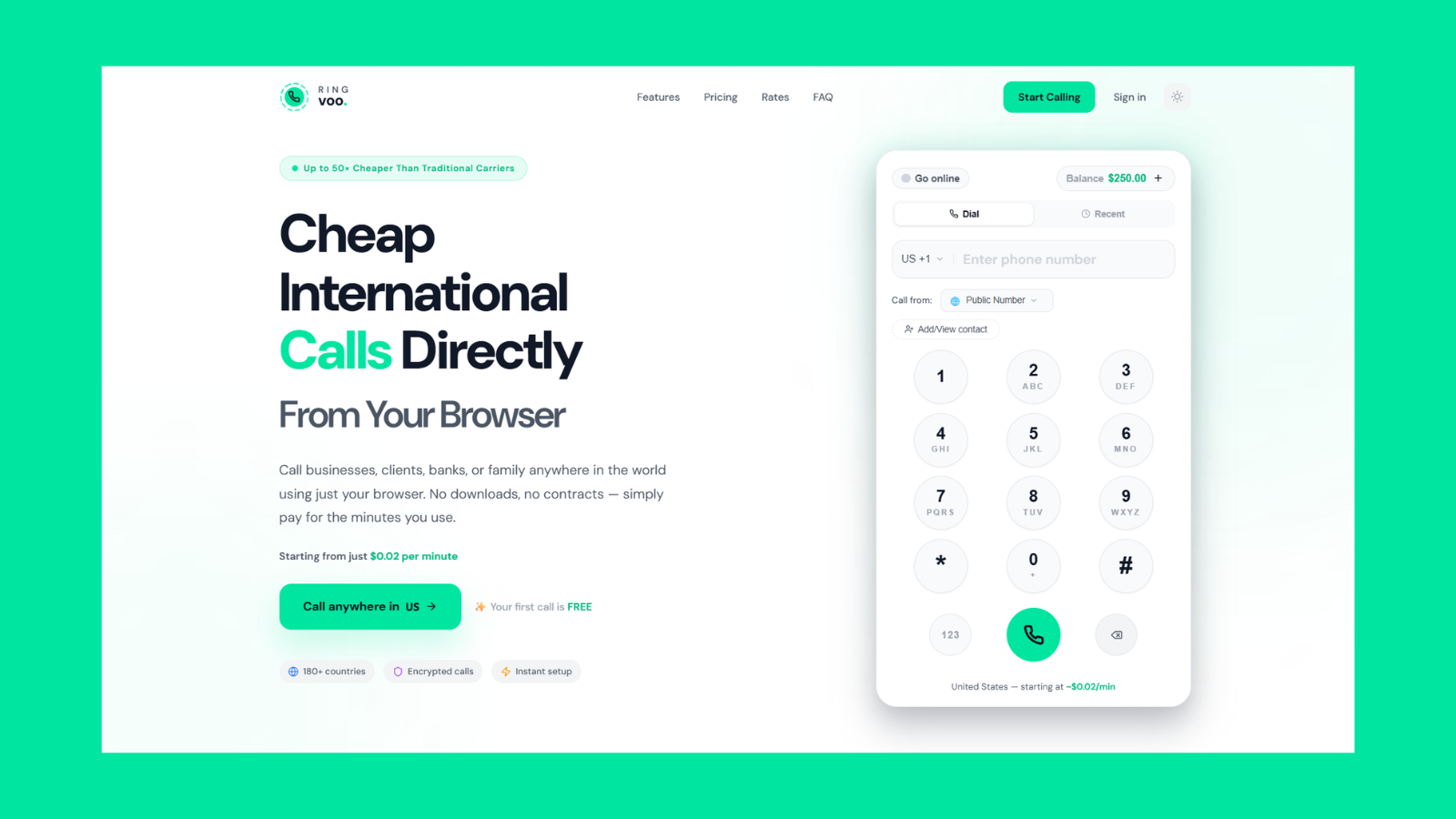
When chatbots loop and airport desks close, dial the airline's international reservations line through Ringvoo. Call airline from abroad with predictable per-minute cost during long weather holds and rebooking queues.
Try Ringvoo free — call from your browser · View international rates
Cost Control During Long Airline Holds
Airline support calls are unpredictable — storm days mean multi-hour queues. Control spend:
Check destination rate on Ringvoo's rates page before dialing the reservations country code.
Maintain modest wallet balance before known disruption seasons when you already expect to need support.
Combine chat plus phone: get a case number in chat, then call referencing it to shorten identity verification.
Hang up promptly when transferred to the wrong department — politely ask for direct dial to reservations to avoid double queue.
For broader savings frameworks, pair this guide with how expats save money on international calls and cheapest way to call abroad in 2026.
Security: Avoid Airline Support Scams While Traveling
Travel stress makes scam calls effective. Rules:
You initiate calls to numbers from official airline sites — not inbound "rebooking assistance" calling you.
Never pay change fees with gift cards — legitimate airlines charge cards tied to your reservation.
Verify SSL on web portals before entering frequent flyer passwords; typosquatting domains spike during holiday travel.
Be wary of third-party "flight support" ads in search results — they are not the carrier.
Frequently Asked Questions
Can I call US airline 800 numbers from Europe or Asia?
Often not reliably. Look for a published +1 direct international reservations line on the airline's help page. If unavailable, use official chat to obtain a callable number or schedule callback.
What is the cheapest way to wait on airline hold internationally?
Use Wi-Fi and browser-based pay-as-you-go calling like Ringvoo instead of cellular roaming or hotel phones. Check rates for the reservations line's country code first.
Will the airline see my international location from VoIP?
They see caller ID and may infer origin from carrier data. Authentication via record locator matters more than geography. Verified caller ID can reduce fraud flags.
How do I call my airline if I lost my SIM abroad?
Use browser calling over Wi-Fi. For SMS one-time codes tied to your account, switch to authenticator app or email verification before travel when possible.
Can Ringvoo dial extension numbers after the main airline line?
Yes — use the in-call keypad to send DTMF tones for extensions and IVR menu choices, like a traditional phone.
What if the airline only calls back numbers in my home country?
Add a home-country virtual number to your profile or Ringvoo inbox, answer inbound in browser when online, or update callback number in the airline web portal before requesting return call.
Is chat or phone better for airline refunds?
Simple refunds after airline-initiated cancel sometimes complete in self-service portals. Partial refunds, voucher conversions, and cross-currency adjustments usually need phone escalation with a human approver.
Do I need the airline app to rebook from abroad?
Apps help for same-day disruption alerts, but complex rebooking, waiver requests, and interline partner moves often require phone. Keep browser calling bookmarked as backup when app queues fail.
Rebook Without Roaming Regret
Calling an airline from abroad should not mean choosing between a fixed itinerary and a shocking phone bill. Find international direct reservation lines, prepare record locators before you dial, use browser calling for hold-heavy queues, and leverage virtual numbers when callbacks are part of the workflow.
Sign up for Ringvoo, verify rates for your airline's support destination, and put the savings toward something better than airport roaming fees. For broader overseas support patterns, continue with calling customer support abroad; for location-independent travel stacks, see digital nomad international calling.